

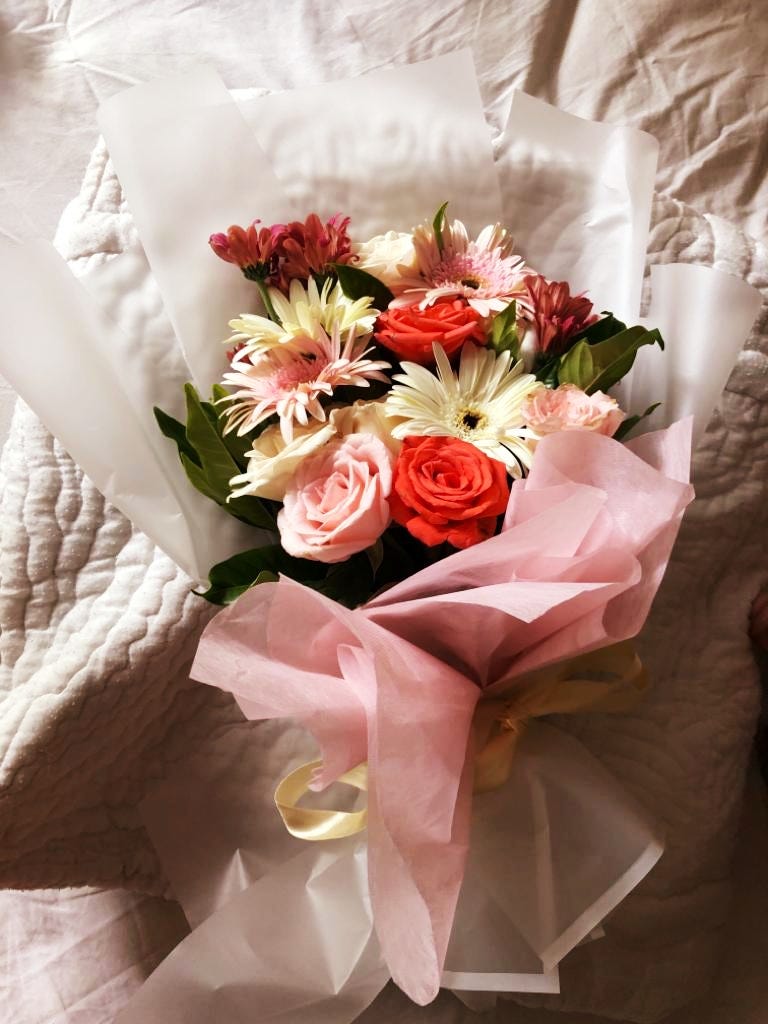
There is a kind of beauty that not only seen on the face but also felt inside the way a person carries themselves, speaks, smile, and carries themselves in the whole. This kind of beauty always formed by youthful age or facial features on the face that is not perfect, rather by small habits which practiced consistently, day by day.
Some people seem to become more attractive as they age older not because they try so hard to fight time itself, but because they learn to work with it. They take care of their bodies, calm their minds, and build healthy relationships. From these habits emerged a more mature kind of charm, calm, warm and authentic.
Interestingly, research in psychology, health, and behavioural science show that everyday habits does truly influence not only how we look but also how others perceive us. Here are habits that enhances not only appearance but also inner character.
1. Take Your Sleep Seriously
Sleep is one of the simplest forms of self-care, yet it is often the most neglected. I used to struggle with going to bed early, often falling asleep around 1 or 2 AM. Over time, as I became more self-aware, I started making a serious effort to sleep earlier and improve the quality of my rest. It was not easy, but as I grew older, I began to feel the difference more clearly. Better sleep made me feel more refreshed, balanced, and able to function with better energy. Of course, good sleep does not stand alone; it is part of a wider cycle of healthier habits. When stress is managed better, the body is more active, the mind is calmer, and daily routines become more balanced, sleep quality also improves. As explained in a WHOOP article, not everyone needs exactly eight hours of sleep every night because sleep needs vary from person to person and even from night to night. What matters most is giving the body enough meaningful rest to repair tissues, balance hormones, and help the brain regulate emotions.
Research on sleep and facial appearance has shown that when people do not get enough rest, they are often perceived as more tired, less healthy, and less refreshed. This reminds us that our faces can quietly reveal the quality of our sleep, even before we say a word.
Tired-looking features, such as heavy eyes or darker under-eye areas, can influence how others read our energy. In other words, sleep affects not only how we feel inside, but also the impression we project outward.
Because of that, a well enough sleep isn’t only a nightly routine. It’s also as form of respect for your body. A fresh face always begins from a simple decision by giving ourselves a timeout we deserve.
2. Manage Stress Instead of Letting It Control your Life
Every human face challenge in our lives, whether in family life or work. But when stress goes unmanaged, it gradually becomes visible in the body, it may appear as a tense race, tired-looking skin, slumped posture, or a heavy drained energy.
Health and skincare research has also shown that chronic stress can affect the skin’s natural barrier, recovery process, and visible signs of aging. When stress is carried for too long without being processed, it does not only stay in the mind; it can also show through the body, the face, and the overall energy we bring into a room.
People who become more attractive with age are not those who never experience problems, but rather, they are people who have a healthy method of processing life pressures. They walk, exercise, pray, mediate, keep journals, talk to trusted friends, or simply give themselves space to recover.
Personally, I’ve found that from small changes alone such as getting different hairstyle, can already help relieve my stress level. Taking time for yourself is essential for managing it.
Inner calm often shines outward. A peaceful face, clear eyes, and a composed attitude create a quiet yet powerful kind of attractiveness.
3. Smile and Express Positive Emotions Genuinely
A genuine smile carries a powerful social power, it’s not only change facial expression, but it also changes the atmosphere of an interaction. In many situations, a smile can make someone feel warm, open, and easy to approach.
Studies on social interaction suggest that genuine smiles can create more positive responses from others. A sincere smile often makes communication feel warmer, safer, and more open.
The way we smile can also shape how people experience our presence. Think about ourselves: when we show up with a frown and furrowed brows, we may unconsciously project negative energy to those around us. But when we express warmth sincerely, the atmosphere around us can also become lighter.
As we grow older, emotion that we often take care of form a language of our face. Because of that, a feeling of gratefulness, sweetness, and happiness can become a part of beauty that isn’t easy to fade.

4. Care For Your Body Through Regular Physical Activity
Physical activity is about far more than appearance. Moving regularly supports healthy circulation, muscle strength, posture, mobility, and overall vitality. An active body often radiates a more vibrant energy.
Personally, I try my best to stay physically active in simple ways. One habit I genuinely enjoy is cleaning the house. Even when I come home late, I often try to tidy up before going to bed. For me, it is not only about keeping the house clean, but also about giving my body enough movement after a long day. In the office, we often use mostly our brain and emotions, while the body remains relatively inactive. That is why small physical activities, even as simple as cleaning, can help the body move, release tension, and prepare for better sleep. On weekends, I usually add another simple routine by doing brisk walking, which helps me feel more refreshed, energized, and connected with my body.
Research has shown that regular physical activity is connected with better self-esteem, body image, and perceived fitness. This matters because the way people feel about their bodies often influences how they walk, sit, speak, and interact with others.
Movement also supports emotional well-being. When the body becomes stronger and more active, people often feel more comfortable living in it. In that sense, exercise strengthens not only the body, but also the relationship we have with ourselves.
This doesn’t have to mean intense workouts. Rather, walking, yoga, swimming, stretching, or a simple exercise performed consistently can gently keep the body strong.
5. Nurture Healthy Social Relationships
No human being grows well in isolation. Warm and healthy relationships with family, friends, partners, colleagues, or communities can become an important source of emotional strength, comfort, and positive energy.
Research in public health has shown that people with stronger social connections tend to have better emotional well-being, while loneliness is often linked with a higher risk of mental health challenges. This reminds us that relationships are not only social needs; they also influence our long-term emotional health.
Close friendships, social support, and interpersonal trust are also closely connected with happiness. Healthy relationships, therefore, are not merely an addition to life; they are part of the emotional foundation that helps people feel balanced, secure, and alive.
When people feel accepted, supported, and genuinely loved, their faces often appear more relaxed and their energy becomes lighter. In my view, healthy social relationships begin with ourselves and our families, because the way we are supported at home often influences how we express ourselves in other environments, including the workplace. However, healthy relationships are not about having many friends or connections. What matters more is surrounding ourselves with people who bring positive energy, help us grow, and make us feel more grounded. At the same time, we also need to be aware of relationships that constantly drain our energy through negativity, criticism, or unhealthy emotional patterns. The quality of our relationships shapes not only how happy we feel, but also how peacefully and attractively we carry ourselves.
6. Develop Stable Self-Confidence
Self-confidence is difficult to explain, but easy to recognize. It can be seen in the way a person carries themselves, makes eye contact, speaks with ease, and accepts who they are without constantly seeking validation from others.
Psychology has long suggested that self-esteem and personal attractiveness are closely connected. When people value themselves in a healthy way and believe they can build meaningful relationships, they often carry themselves with more ease, openness, and confidence.
However, the kind of confidence that truly makes someone attractive is not arrogance. It is not the need to appear the smartest, youngest, or most perfect. Mature confidence grows from self-acceptance, from understanding one’s strengths, making peace with one’s weaknesses, and continuing to grow despite them.
People who are comfortable in their own skin do not need to compete with someone else’s light. They carry their own. Often, it is this quiet and grounded confidence that makes a person even more attractive as they grow older.
7. Become a Corporate Athlete: Managing Your Energy for Better Performance
In the professional world, the concept of a corporate athlete is becoming increasingly relevant, especially when we talk about aging gracefully. A corporate athlete is not simply someone who works with the intensity of a physical athlete; it is someone who understands that sustainable high performance requires managing energy as a whole: physically, mentally, emotionally, and spiritually. Just as athletes do not rely only on hard training but also prioritize rest, nutrition, focus, and recovery, professionals also need to take care of themselves so they can work consistently, think clearly, and remain resilient over time.
The impact of this mindset in the workplace is significant. When people manage their energy well, they are generally better equipped to make calm decisions, communicate more positively, handle pressure without becoming overly reactive, and maintain strong relationships with colleagues and clients. On the other hand, when energy is depleted and stress is allowed to accumulate, thinking, empathy, creativity, and leadership often begin to decline.
To me, becoming a corporate athlete is also part of aging gracefully in professional life. It means learning to show up with better quality energy, not merely working harder, but working with greater awareness. It is knowing when to push forward, when to pause, when to listen to the body, and when to calm the mind before responding. In any workplace, energy is highly contagious. Leaders and professionals who are calm, healthy, and emotionally stable can foster a work environment that is more positive, productive, and humane.
That is why habits such as getting enough sleep, managing stress, staying physically active, maintaining healthy relationships, and building self-confidence do more than improve personal appearance. They also help us age more gracefully as professionals. These habits prepare us to navigate work demands, adapt to change, and contribute our best without sacrificing personal well-being. Over time, this balance becomes part of the quiet strength, maturity, and lasting attractiveness that people carry with them.
Conclusion
Lasting attractiveness is not built solely from outward appearance; it is cultivated from within. Getting enough sleep, managing stress effectively, smiling sincerely, staying physically active, maintaining healthy relationships, developing stable self-confidence, and learning to manage energy like a corporate athlete are all simple habits that gradually shape a person’s enduring charm.
Scientific research helps explain why these habits matter: our bodies, minds, emotions, social connections, and overall energy are deeply interconnected. When one aspect is cared for, the others benefit as well. This is why people who live more balanced lives often appear more refreshed, warmer, more radiant, and better equipped to create a positive impact in their personal and professional lives.
As professionals, it is also important to remember that work is only one part of life, not life itself. When the results are good, we should be grateful. When the results are not as expected, we need to reflect, learn, and improve with all the energy and commitment we have. This, too, is part of aging gracefully: learning to respond to success with humility, to disappointment with self-reflection, and to pressure with greater balance. I believe that as we grow older, we become wiser in how we face professional challenges, not by becoming less ambitious, but by becoming more grounded, thoughtful, and emotionally mature.
Ultimately, becoming more attractive is not about fighting the passage of time, but about growing gracefully with it. Age may leave lines on the face, but good habits, a peaceful heart, and a healthy mind add depth to a person’s presence. In the end, it is often this depth that gives lasting attractiveness its most enduring quality.
Further reading
Loehr, J., & Schwartz, T. (2003). The Power of Full Engagement: Managing Energy, Not Time, Is the Key to High Performance and Personal Renewal. Free Press.
Schwartz, T., Gomes, J., & McCarthy, C. (2010). The Way We’re Working Isn’t Working: The Four Forgotten Needs That Energize Great Performance. Free Press.
King, V. (2018). Good Vibes, Good Life: How Self-Love Is the Key to Unlocking Your Greatness. Hay House UK.
Brown, B. (2010). The Gifts of Imperfection: Let Go of Who You Think You’re Supposed to Be and Embrace Who You Are. Hazelden Publishing.