

We talk a lot about performance—productivity, focus, and grit. But we rarely talk about the most basic biological lever behind all of it: what we eat. Not in a restrictive, diet-culture way, but in a “how-do-I-show-up-better-every-day“ way.
I’m not a nutritionist and I do not hold formal certifications. What I’m sharing comes from lived experience, over a decade of trial and error, and a deep interest in our biological potential. Take it as an honest lived account, not medical advice.
My Personal Journey: A Fusion of East Meets West
My interest in nutrition began 14 years ago with the birth of my first child. From his first solids to wanting to cook properly for his growth and development, I read every nutritional book I could find. What started as a mother’s instinct evolved into a lifelong fascination with the way food shapes how we think, feel and show up every day.
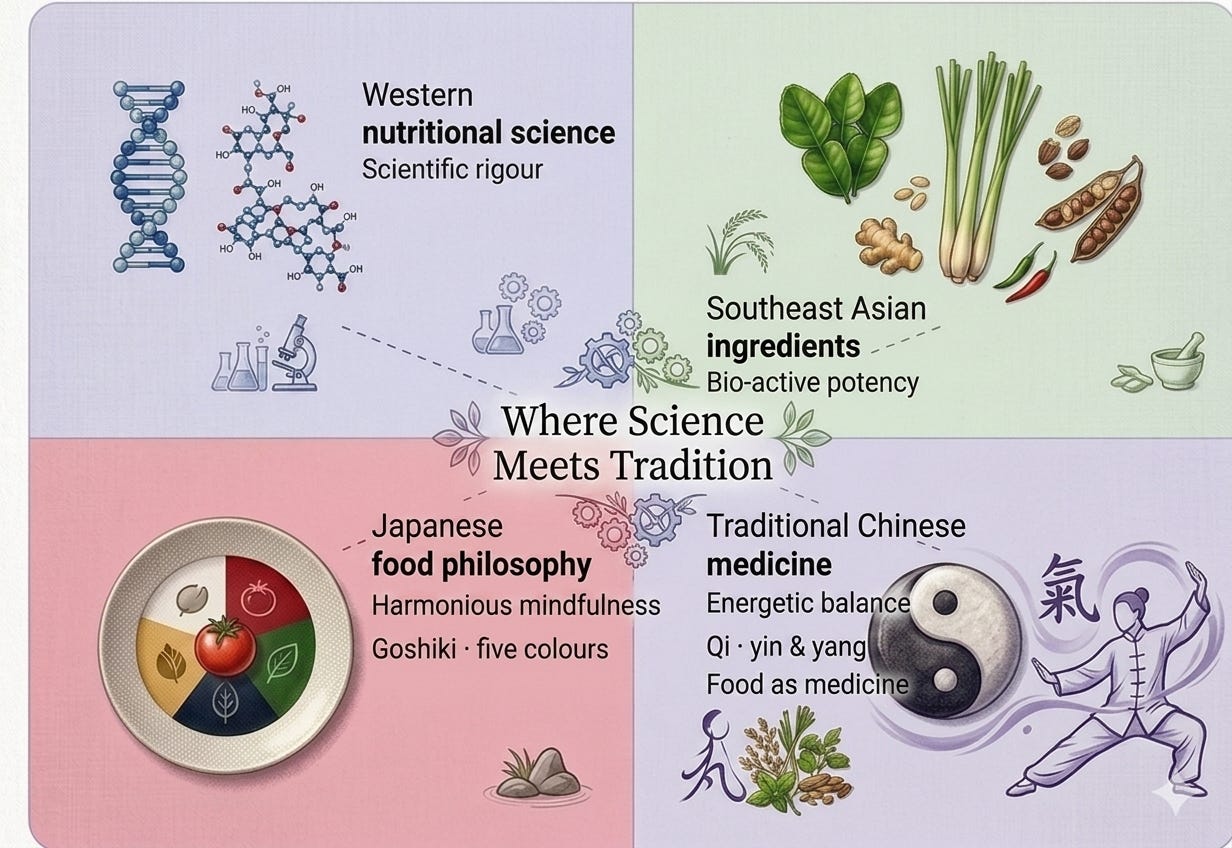
Having lived and worked across Singapore, Malaysia and Japan, I’ve had the privilege of drawing from several cultures and traditions at once: Western nutritional science, Southeast Asian ingredients, Japanese food philosophy and traditional Chinese wellness principles More often than not, they arrive at the same truths from different directions.
This relationship with food deepened further five years ago while recovering from the grief of losing my dear niece. I came to realise that food was a pillar of my healing. By focusing on activating the body’s “happy hormones”—dopamine, oxytocin, serotonin, and endorphins—I found a way to rebuild my mental and emotional resilience. As an unintended but welcome ripple effect, I shed a significant amount of unhealthy weight.
Here are some lessons I’ve learned along the way.
1. Don’t skip meals out of neglect
The first rule is deceptively simple: eat regular, healthy meals, even if they are small.
So many people skip lunch because they’re too busy. I recognise the pattern because I used to do the same. In my corporate years, breakfast was grabbed on the go, lunch was at my desk (if it happened at all), and a chocolate bar or a pack of chips held me over until a late dinner. I was constantly tired, irritable, and running on empty.
When we skip meals, blood sugar drops and the brain enters “survival mode,” looking for the fastest fix—usually something quick, sugary, and regrettable.
This is different from intentional intermittent fasting; this is skipping out of neglect, which disrupts metabolism and strains the gut.
Given that 90-95% of serotonin is produced in the gut, regular eating isn’t just about hunger. It’s about emotional regulation.
2. Nutrition is a system: the “key and lock” effect
How we combine food matters just as much as what we eat. Nutrients often act like a “key and lock”—they are only truly unlocked when paired with a biological partner.
Take spinach as an example:
The absorption boost: Pair spinach with chicken. The heme iron in chicken helps your body absorb more iron from the spinach.
The competition: Pair spinach with tofu. Tofu is high in calcium, which can actually compete with and inhibit the absorption of that same iron.
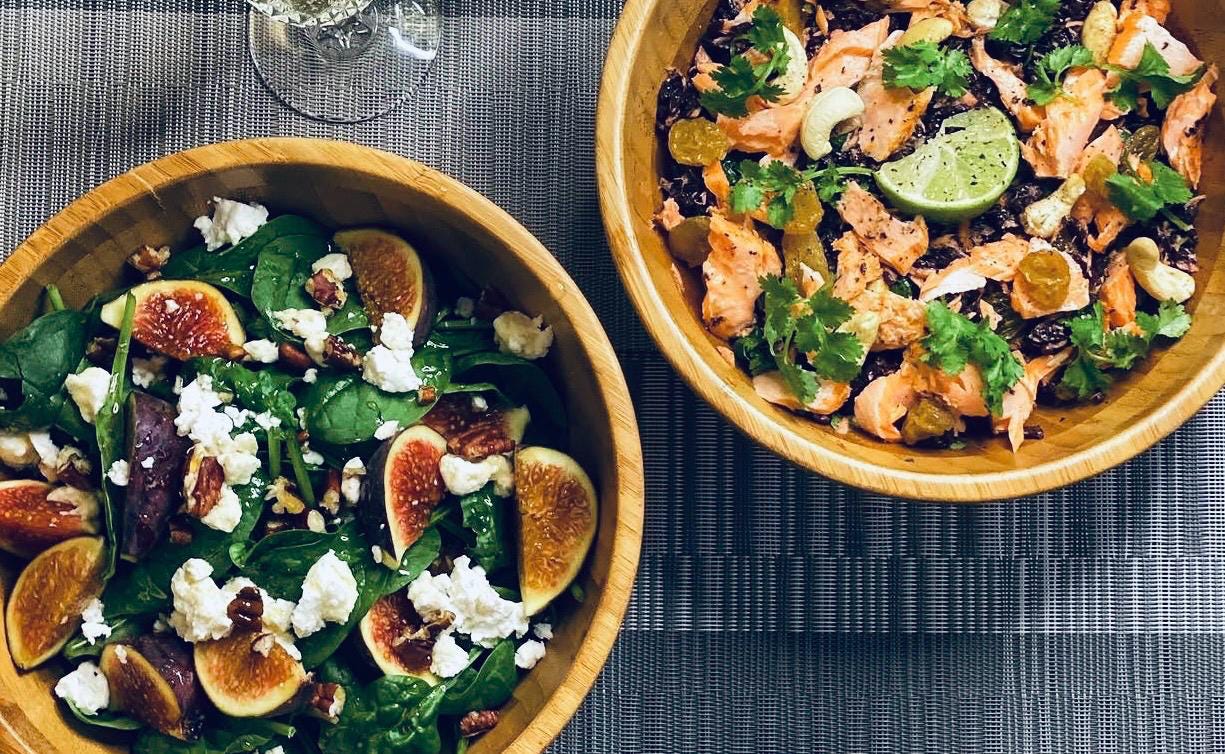
High-Impact Pairings:
Vitamin C + plant-based iron: Squeeze lemon over greens or pair them with citrus or bell peppers to significantly boost iron absorption.
Black pepper + turmeric: In Southeast Asian cooking, these are often found together. Modern science shows that piperine in pepper improves curcumin absorption by up to 2,000%, essential for managing inflammation.
Healthy fats + leafy greens: Avocado or olive oil is essential for absorbing fat-soluble vitamins (A, D, E, and K).
3. Eat the rainbow
In Japanese food philosophy, there is the concept of Washoku, which emphasises five colours (Goshiki): red, yellow, green, black, and white.
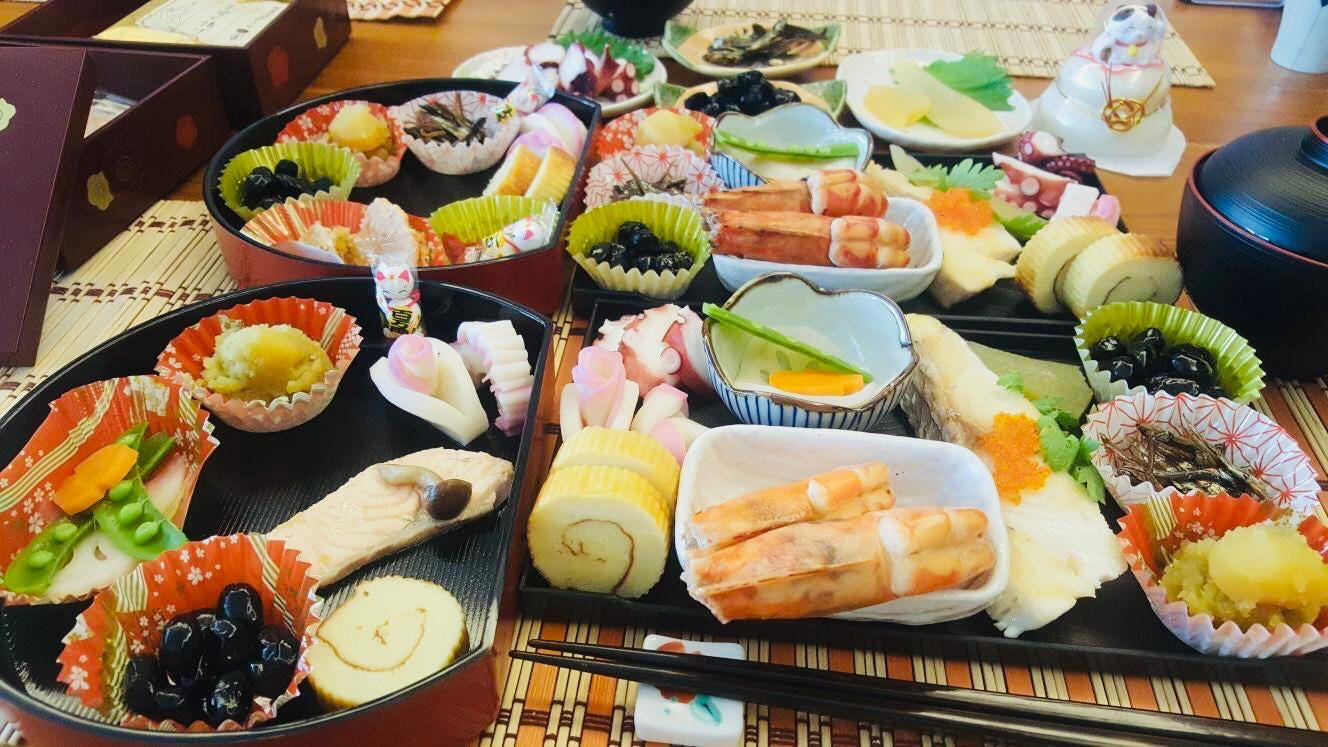
A colourful plate is also an easy way to ensure we nourish ourselves with a spectrum of micronutrients:
Red: Lycopene for heart health and skin protection (tomatoes, watermelon, red peppers, and chilli).
Orange/Yellow: Carotenoids for immune support and eye health (carrots, sweet potatoes, pumpkin, turmeric).
Green: Chlorophyll and folate for detoxification and energy (kale, spinach, broccoli, seaweed).
Purple/Black: Anthocyanins for brain health and anti-inflammation (blueberries, black beans, black sesame, black rice).
White: Allicin and quercetin for heart health and antiviral properties (garlic, onions, mushrooms, cauliflower)
4. Hydration: water doesn’t have to be boring
Most of us are more dehydrated than we realise. Even mild dehydration is a silent performance killer—it dulls concentration, destabilises mood, and drains our energy.
Staying hydrated doesn’t have to mean drinking plain water all day. By infusing water or incorporating herbal brews, we can turn a basic necessity into a functional health boost.
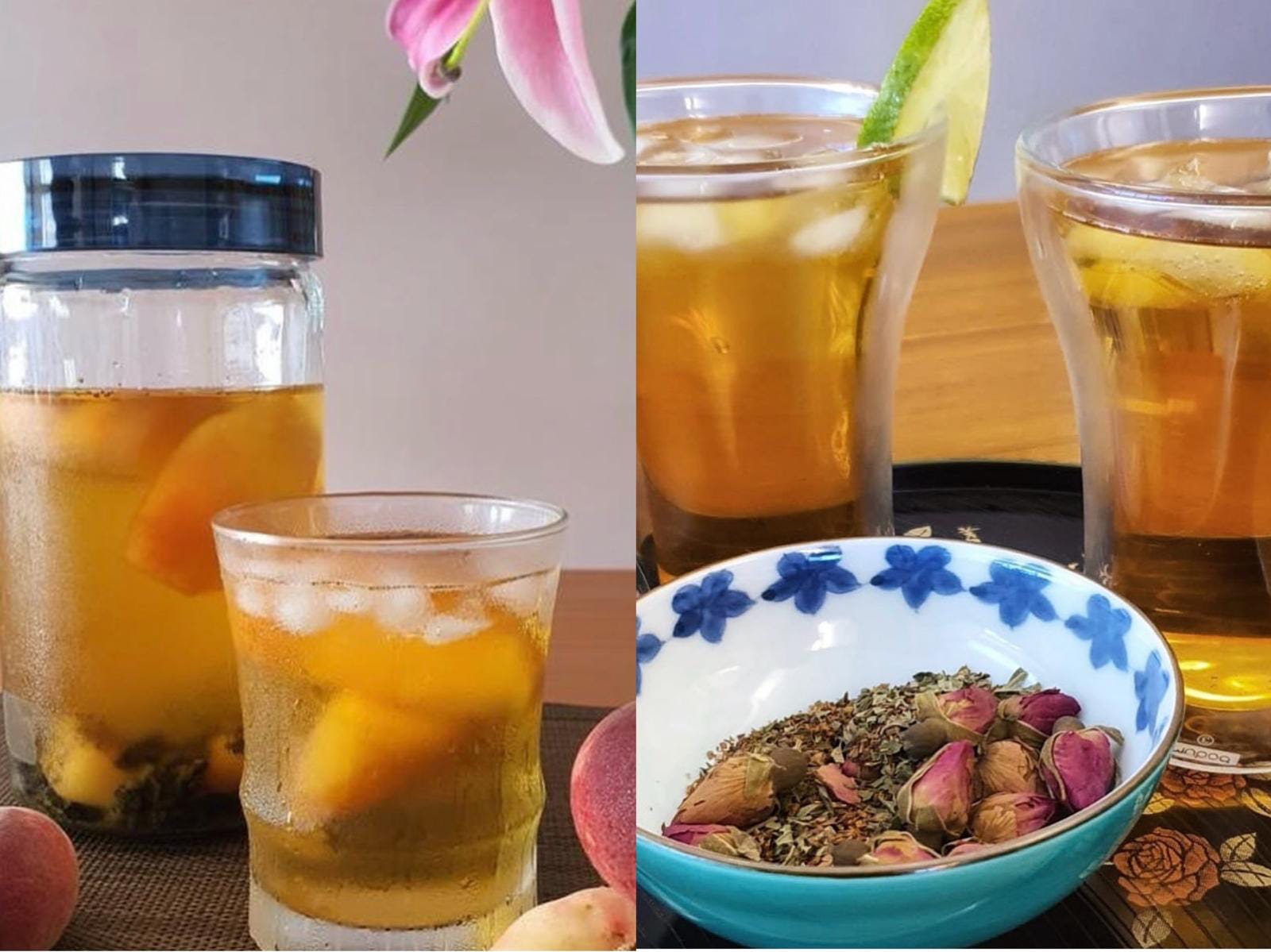
Elevate your routine: Simple additions like lemon or mint make water more palatable. I also draw from traditional wisdom, using infusions like red dates, dried longan, and wolfberries (goji) for a nutrient-dense boost, or ginger, cinnamon, and lemongrass to aid digestion and support the gut.
The “natural sugar” trap: Be wary of fruit juices and coconut water. Without the fibre of whole fruit, these cause rapid blood sugar spikes. Treat them as functional recovery tools, not water replacements.
5. The hidden drains: UPFs, sugar, and alcohol
Ultra-processed foods (UPFs): A simple rule of thumb: if a product has more than five ingredients and you can’t pronounce half of them, it’s telling you something. If you’ve watched documentaries like BBC’s What Are We Feeding Our Kids?, you know the impact of industrial food processing.

The BBC documentary "What Are We Feeding Our Kids?" follows Dr. Chris van Tulleken's investigation into how a diet high in ultra-processed foods impacts health, finding it can cause rapid weight gain, increased cravings, and potential addiction-like brain changes. UPFs, often disguised as healthy (protein bars, flavoured yoghurts or even packaged oat milk) often contain emulsifiers and stabilizers (like lecithin, carrageenan, or xanthan gum) that can affect gut health when consumed in excess. When the gut is compromised, it can affect mood, health and overall wellbeing.
Sugar and artificial sweeteners: The food industry is very good at adding sugar and even better at disguising it. “Sugar-free” alternatives aren’t necessarily better. Artificial sweeteners and sugar alcohols can still affect insulin response, disrupt gut health, and keep cravings alive.
I bake often but reduce the sugar in most recipes. I use brown sugar where possible and have trained my palate to prefer less sweetness. I drink everything unsweetened and choose dark chocolate at 75% and above.
Alcohol: Even in small amounts, alcohol disrupts sleep architecture and significantly slows physical recovery. Since shifting to rare occasions, I’ve noticed a stark difference in my mental clarity and overall vitality.

6. Don’t guess your gaps. Know what your body is asking for
Even with a good diet, deficiencies happen. Our needs shift with age, stress, lifestyle, and life stage, so what worked before may not be what your body needs now.
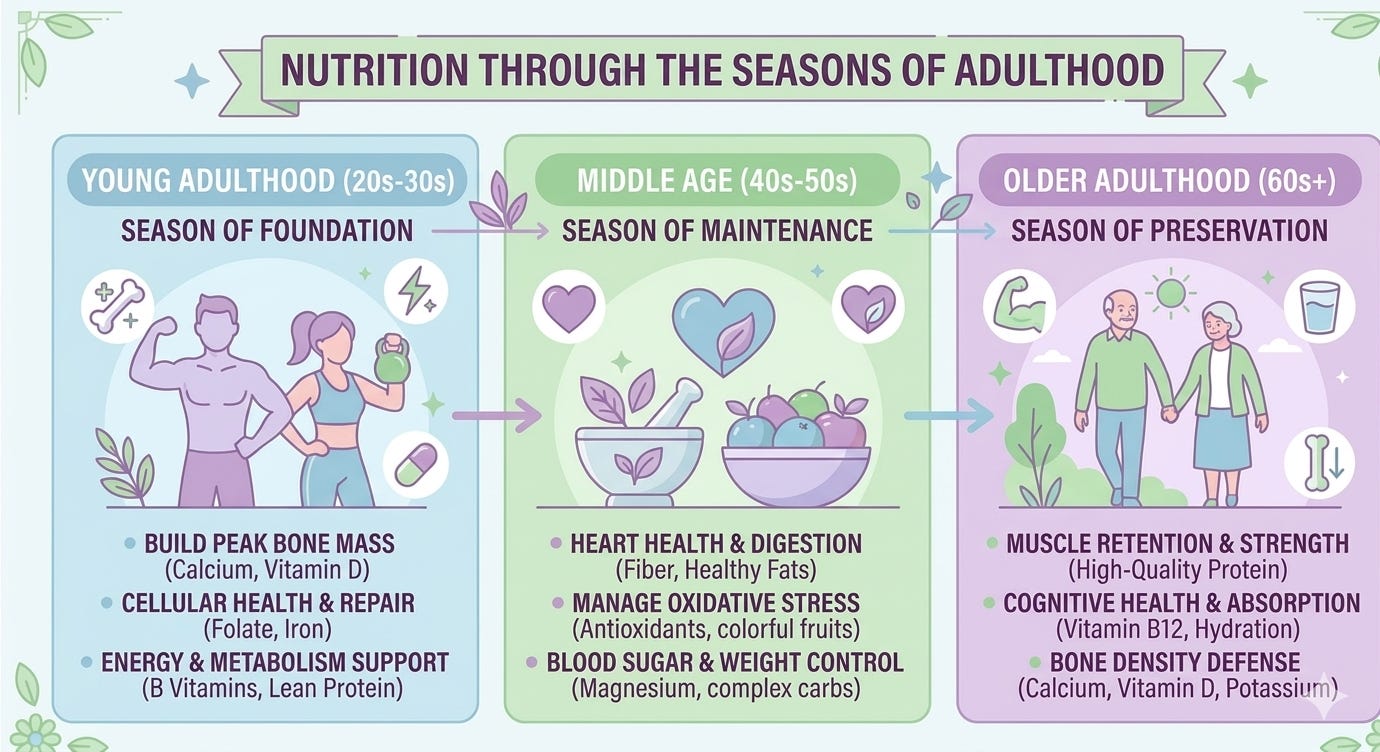
This is where supplementation can play a role. Not as a replacement for food, but as targeted support when your body needs it.
A simple blood test can take the guesswork out. It helps you focus on what actually matters, instead of supplementing blindly.
Some common gaps, especially for those of us living busy lives, include magnesium for sleep and stress, vitamin D for mood, B vitamins for energy, iron, particularly for women, and omega-3s for brain health.
The goal isn’t to take more. It’s to take what you actually need.
Start with one thing
When you start looking at your food as a system rather than just "calories," everything changes. By aligning your food pairings, your hydration and making conscious choices, you aren't just eating—you are building a foundation that allows you to show up, fully present.
So here’s my question: looking at this list, which one small change feels like something your body is already asking for? Start there.
For further reading
Is it okay to skip meals, even occasionally? Here’s what happens to your body, CNA
Nutritional power couples, Harvard Health Publishing
Phytonutrients: Paint your plate with the colors of the rainbow, Harvard Health Publishing
Ultra-processed foods: the 19 things everyone needs to know, The Guardian